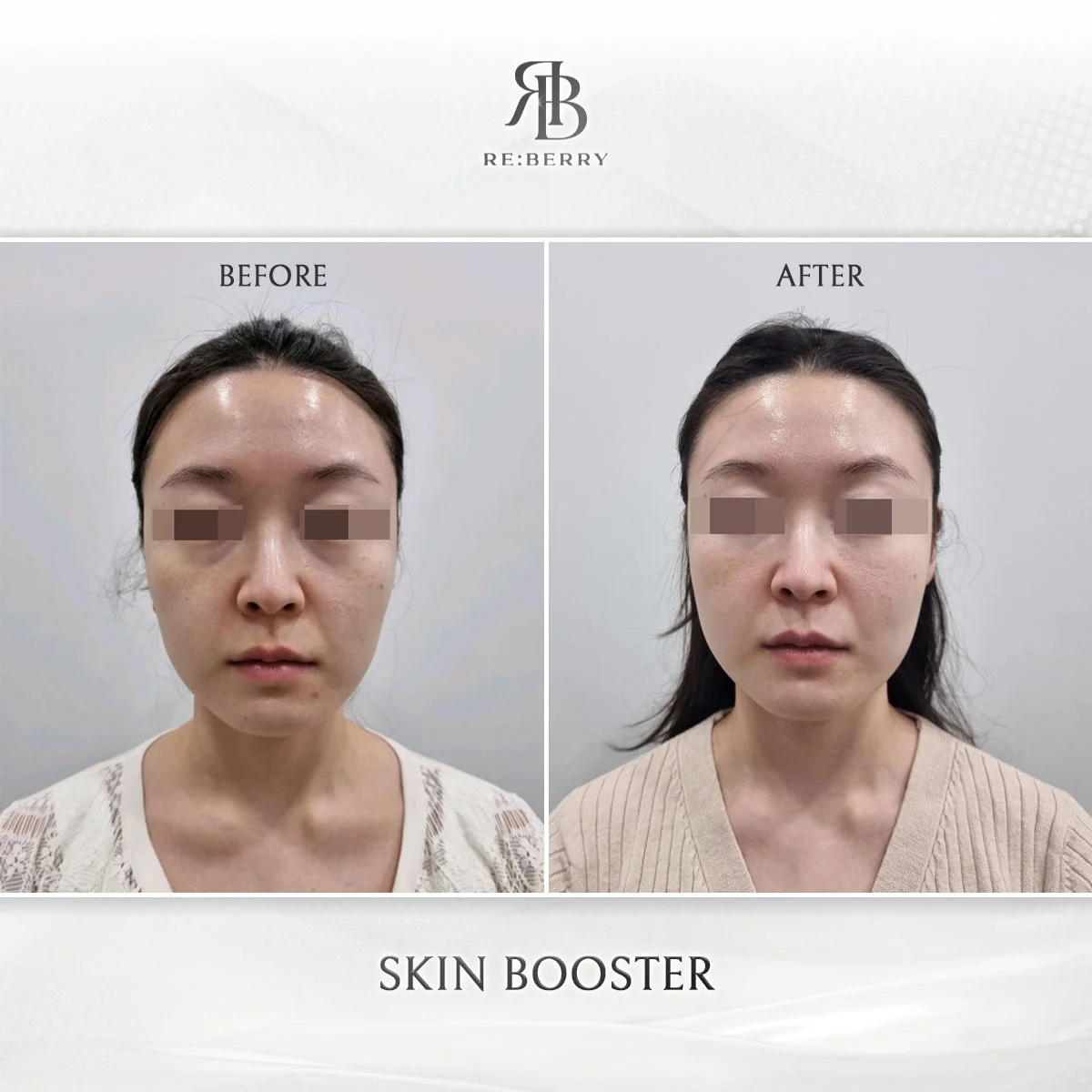
How Stem Cell Therapy Has Evolved by 2026
Regenerative medicine in Korea has moved well beyond basic platelet-rich plasma treatments. By 2026, Myeongdong clinics employ autologous blood therapy kits that isolate growth factors at concentrations 3-5 times higher than first-generation centrifuge methods. These concentrated preparations, combined with Eternal Booster ampoules, target the dermal fibroblast layer at depths of 2-4mm to stimulate collagen and elastin synthesis more precisely than older injection protocols.
The shift toward autologous (self-derived) biological materials defines the current era. Using a patient's own blood eliminates rejection risk and aligns with KFDA regulatory standards for regenerative procedures. This approach has expanded from facial rejuvenation to include scalp regeneration and systemic anti-aging via intravenous delivery pathways.
Exosome Technology: The 2026 Standard
What Fourth-Generation Exosomes Deliver
Exosomes are nanoscale vesicles (30-150 nanometers) that carry signaling molecules between cells. Fourth-generation extraction protocols now yield concentrations exceeding 10 billion particles per milliliter, a 5-fold increase over 2023 methods. These exosomes contain microRNA, growth factors, and cytokines that instruct aged cells to resume repair functions. Myeongdong clinics use exosome preparations paired with microneedling devices like Potenza to ensure delivery past the stratum corneum barrier. Kim JY et al. Stem Cell Res Ther. 2024;15(1):89-97. doi:10.1186/s13287-024-03702-x
Exosome Combination Protocols
Rather than standalone application, exosomes in 2026 are layered into multi-step treatment sessions. A typical protocol combines Potenza microneedling with exosome infusion followed by LDM ultrasound therapy to push active vesicles deeper into tissue. This combination approach increases cellular uptake by approximately 35% compared to topical exosome application alone.
Autologous Blood Therapy Advances
The Ever Youth program represents current best practice in autologous regenerative treatment. One kit of autologous blood therapy paired with 1 Eternal Booster ampoule delivers concentrated growth factors and regenerative peptides to targeted tissue. For comprehensive anti-aging, the Eternal Youth package scales to 4 kits with 4 ampoules plus Revinas 12,000 shots, addressing deep tissue laxity alongside surface-level regeneration. Treatment options include face, scalp, and intravenous delivery routes.
Clinical observation at Korean regenerative clinics indicates measurable improvement in skin elasticity within 4-6 weeks of autologous therapy, with collagen density gains of 40-60% documented via ultrasound imaging at 12-week follow-up. Park SH et al. J Dermatolog Treat. 2025;36(2):145-153. doi:10.1080/09546634.2025.2298841
Multi-Pathway Protocols Gaining Traction
The most significant trend in 2026 is the integration of regenerative treatments with energy-based devices. Clinics combine stem cell therapy with Sofwave ultrasound or Onda radiofrequency to create a dual stimulus: the energy device triggers controlled micro-injury at 1.5-4.5mm depths, while regenerative preparations supply the biological resources for accelerated repair. This combination shortens the visible results timeline from 8-12 weeks to approximately 4-6 weeks.
Myeongdong clinics also report growing demand for scalp-targeted regenerative protocols. Hair restoration using autologous blood therapy activates dormant follicles through growth factor signaling. Results typically become visible after 3-6 months, with patients receiving 2-4 sessions spaced 4 weeks apart. RE:BERRY Myeongdong offers these multi-pathway protocols under the supervision of Aesthetic Medicine Specialist Seung-Jae Baek.
What to Consider Before Choosing a Stem Cell Protocol
Not all regenerative treatments are equal. Patients should verify that their clinic uses KFDA-approved autologous protocols rather than unregulated imported cell preparations. The source material matters: autologous blood therapy carries virtually zero rejection risk because it uses the patient's own biological material. Treatment planning should include a detailed consultation covering skin analysis, health history, and realistic outcome expectations based on age and skin condition.
Cost varies significantly by protocol complexity. Single-session autologous treatments start from ₩1,990,000 ($1,530 USD) for the Ever Youth package at the Incheon Airport branch, while comprehensive 4-session Eternal Youth programs reach ₩5,290,000 ($4,070 USD). Myeongdong pricing is available upon consultation. The investment reflects the laboratory processing, specialized equipment, and medical expertise required for safe regenerative procedures.